
Creating the perfect lighting in your home is about more than just bright bulbs and stylish fixtures. Comfortable lighting enhances your mood, supports your activities, and transforms your space into a warm, inviting haven. Whether you’re updating an existing setup or planning a new home, choosing the right lighting can seem overwhelming. This guide will walk you through the essential tips for selecting comfortable home lighting that suits your needs and style.
Why Comfortable Lighting Matters
Before diving into the specifics, it’s important to understand why comfortable lighting plays such a vital role in your home. Poor lighting can cause eye strain, headaches, and fatigue, while well-chosen lighting supports relaxation and productivity. Different rooms serve different purposes, so lighting that fits one area may not work as well in another. Comfortable lighting is about balance: combining functionality with ambiance.
Consider the Purpose of Each Room
Every room in your home has a unique function, and your lighting should reflect that.
Living Room
The living room is a multi-purpose space often used for relaxing, entertaining, and sometimes working. Layered lighting — a mix of ambient, task, and accent lighting — works best here.
– Ambient lighting: Ceiling fixtures or wall sconces provide general illumination.
– Task lighting: Floor or table lamps near seating areas facilitate reading or hobbies.
– Accent lighting: Use spotlights or LED strips to highlight artwork or architectural features.
Kitchen
Kitchens need bright, functional lighting, especially near work areas.
– Use overhead LED lights for general illumination.
– Add under-cabinet lighting to illuminate countertops.
– Consider adjustable lights to control brightness for cooking or dining.
Bedroom
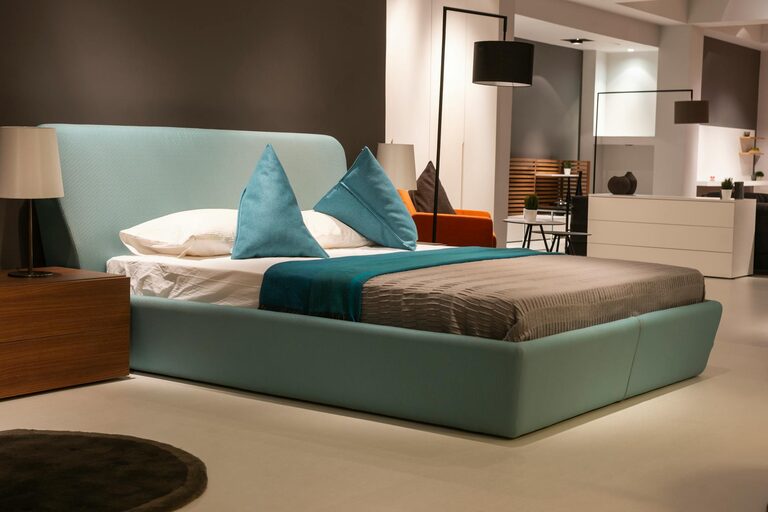
The bedroom should have soft, warm lighting to promote restful sleep.
– Opt for warm-colored bulbs (around 2700K).
– Use bedside lamps with dimmers for reading.
– Avoid harsh overhead lights; consider softer wall sconces.
Bathroom
Bathrooms need clear, shadow-free lighting for grooming tasks.
– Place lights around or above mirrors.
– Choose daylight bulbs for natural color rendering.
– Use moisture-resistant fixtures to ensure safety.
Choose the Right Bulbs
Selecting the right bulbs has a big impact on comfort and energy efficiency.
Color Temperature
Measured in Kelvins (K), color temperature affects the mood of your room.
– Warm white (2700K–3000K): Creates cozy, relaxed atmosphere. Ideal for bedrooms and living rooms.
– Neutral white (3500K–4100K): Balanced brightness, good for kitchens and bathrooms.
– Cool white/daylight (5000K–6500K): Bright and energizing, suits task areas but can feel harsh if overused.
Brightness
Brightness is measured in lumens, not watts. More lumens mean brighter light.
– For general lighting, around 1500–3000 lumens per room is typical.
– Task areas may require brighter bulbs depending on activity.
– Adjustable lighting or dimmers can help control brightness throughout the day.
Energy Efficiency
LED bulbs use less electricity and last longer than incandescent or CFL bulbs, making them a smart choice for comfort and cost savings.
Layer Your Lighting
Layering light sources creates depth, reduces harsh shadows, and adds flexibility.
– Ambient light is your base layer, providing overall illumination.
– Task light focuses on specific activities.
– Accent light highlights decorative features or adds drama.
By combining these layers, you can easily adjust lighting according to your needs or mood.
Use Dimmers and Smart Controls
Dimmers let you adjust brightness, improving comfort and helping you save energy. Many modern lighting setups now include smart controls, allowing you to change lighting with a smartphone or voice control. This flexibility makes it easy to tailor lighting for different times of day or occasions.
Mind Your Fixtures and Placement
The style and height of your fixtures affect how comfortable your lighting feels.
– Choose fixtures that distribute light evenly in the space.
– Position lights to avoid glare, especially on screens or reflective surfaces.
– Consider adjustable fixtures like swing-arm lamps for focused task lighting.
Pay Attention to Color Rendering
Color Rendering Index (CRI) measures how accurately a light source displays colors compared to natural light.
– Look for bulbs with a CRI of 80 or above for comfortable, natural color appearance.
– This is particularly important in kitchens, bathrooms, and spaces where you want colors to appear vibrant.
Maximize Natural Light
Good lighting doesn’t come only from fixtures. Natural light can enhance comfort and cut energy costs.
– Use window treatments that allow adjustable sunlight without glare.
– Position mirrors to reflect light into darker corners.
– Keep windows clean to maximize daylight penetration.
Final Thoughts
Choosing comfortable home lighting involves thoughtful planning and a bit of experimentation. Keep in mind the purpose of each space, aim for layered lighting, and select bulbs that provide the right color temperature and brightness. Incorporating dimmers and smart controls can elevate your lighting experience even more. By focusing on these tips, you’ll create a home that looks great and feels inviting, day or night.